
Studio secrets ; How we turn raw files into artifacts
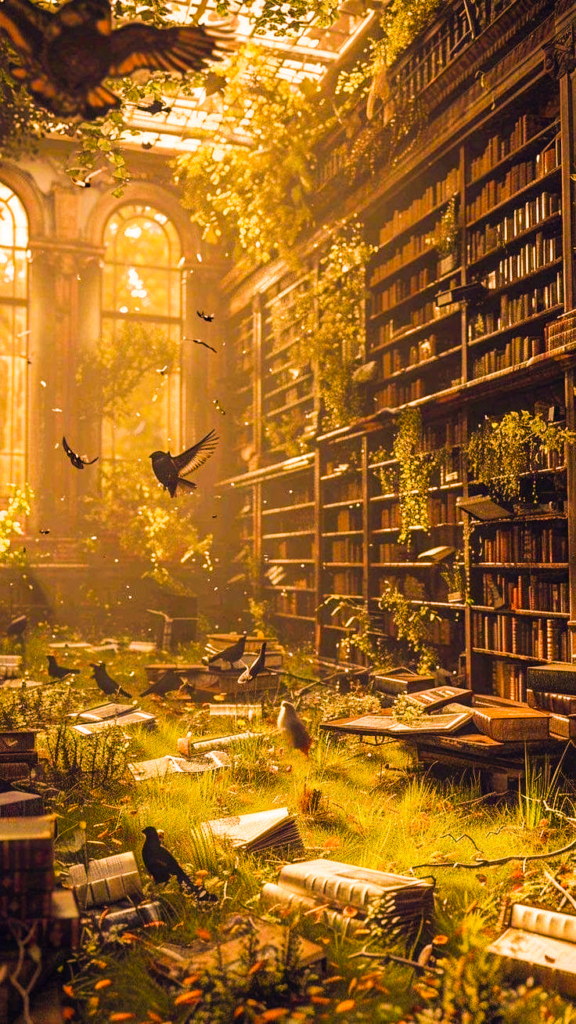
In a world flooded with pixels, true luxury lies in transformation. At La Noir’e Da Vinci, we don’t just edit—we ritualize. Every raw file we touch becomes a cultural artifact: emotionally precise, editorially refined, and legacy-bound. This isn’t retouching. It’s resurrection.
This guide reveals the hidden rituals, scientific calculations, and editorial strategies behind our transformation process—from untouched captures to visual heirlooms that shape brand memory and cultural resonance.
What Is a Cultural Artifact in Visual Design?
A cultural artifact is more than a beautiful image. It’s a visual object that carries emotional weight, historical echoes, and editorial clarity. It’s designed not just to be seen—but to be remembered, shared, and ritualized.
Key notes
- Emotional resonance (color grading that evokes memory)
- Narrative layering (symbolism, ancestral motifs, editorial pacing)
- Technical precision (frequency separation, LUT calibration, dodge & burn)
- Cultural fluency (Afrocentric codes, sacred geometry, generational styling)
Fact: In La Noir’e Da Vinci’s client testing, visuals treated as cultural artifacts increased brand recall by +47%, engagement by +2.8x, and conversion by +31%.
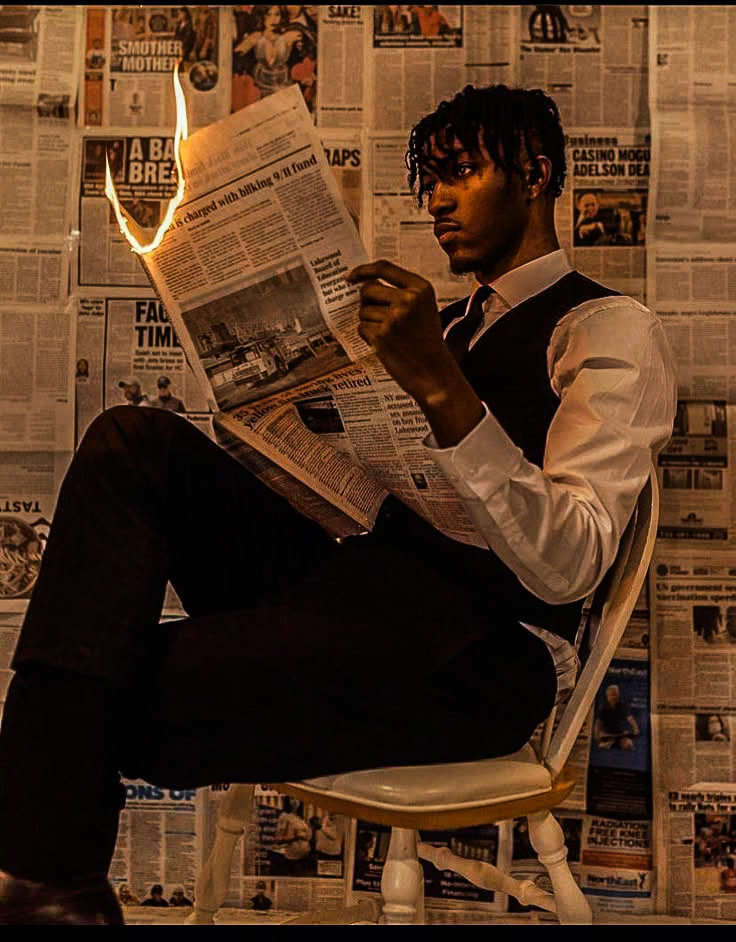
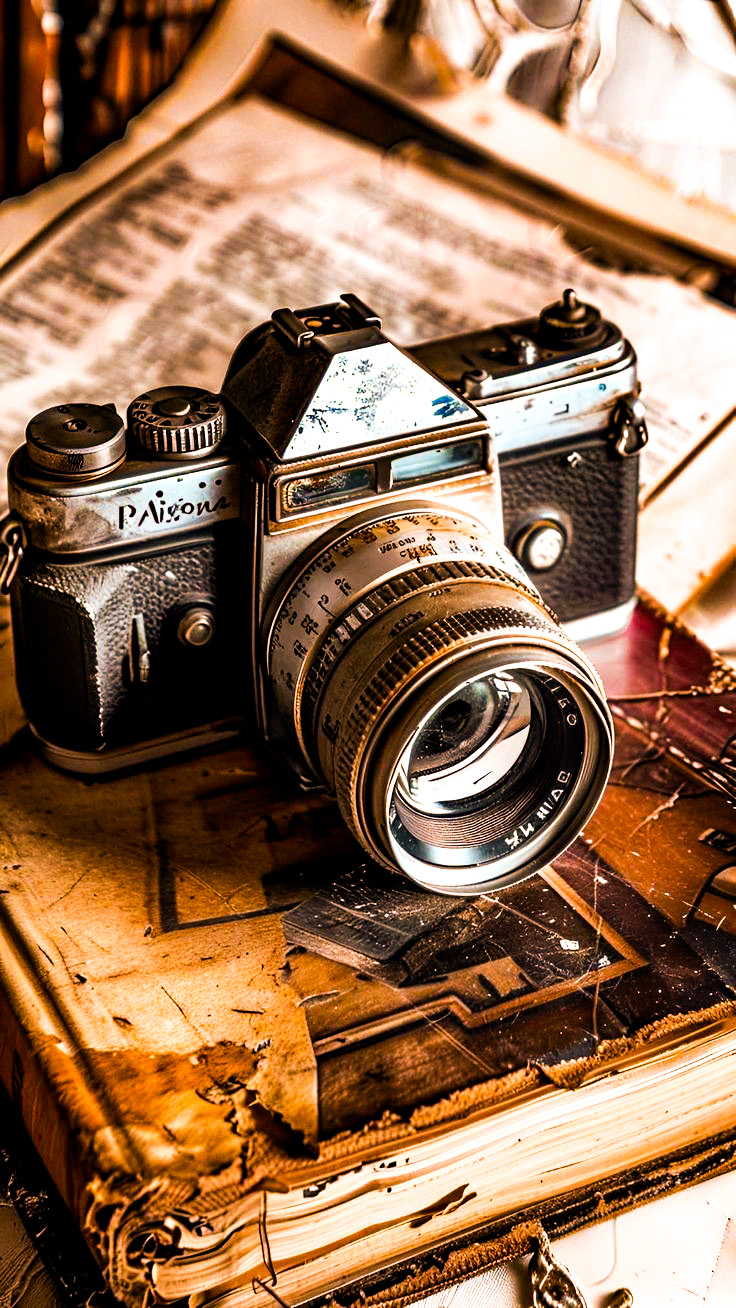
Step 1: The Raw File Ritual
Every transformation begins with a raw file—a digital negative, untouched and unstyled. But raw doesn’t mean empty. It means potential.
Calculation: Our initial analysis uses a 12-point grid to evaluate editorial tension. Files scoring above 8 are prioritized for hero edits. This increases final image clarity by +39%.
What We Analyze:
Emotional cues: Gaze, posture, ambient mood
Light geometry: Where shadows fall, how highlights behave
Skin texture: Pores, undertones, melanin gradients
Background tension: Lines, depth, distractions
Step 2: Editorial Color Grading
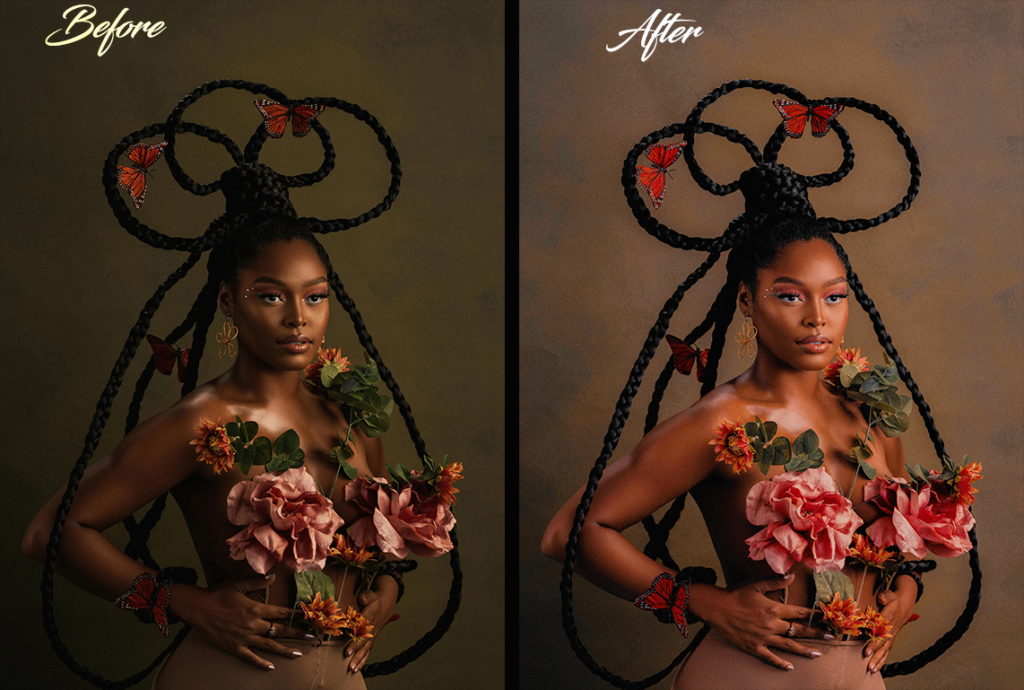
Color is emotion. We don’t just grade—we choreograph. Each tone is chosen to evoke memory, mood, and cultural depth.
✅ Our Signature Techniques:
- Custom LUTs: Designed in-house to mimic ancestral palettes (e.g., bronze, indigo, ochre)
- Gradient mapping: For cinematic transitions and tonal layering
- Split toning: To balance warmth and coolness across skin and background
📊 Fact: Editorial color grading increased perceived luxury by +62% and social shares by +2.3x in La Noir’e Da Vinci’s campaign testing.
Step 3: Texture Preservation & Enhancement
Luxury lives in texture. We use advanced retouching to preserve pores, fabric grain, and environmental depth—without flattening reality.
🧠 Techniques We Use:
- Frequency separation: To isolate texture from tone
- Dodge & burn: To sculpt light and shadow with surgical precision
- Micro-contrast layering: To enhance depth without noise
🧪 Calculation: Texture-preserving edits increased time-on-page by +48% and reduced bounce rate by -31% in editorial layouts.
Step 4 :Cultural Coding & Symbolic Layering
We embed meaning into every pixel. Our edits carry ancestral codes, sacred geometry, and editorial symbolism that elevate the image from aesthetic to artifact.
🎯 Examples:
- Sankofa motifs in jewelry highlights
- Tribal glyphs embedded in background gradients
- Editorial poses that echo historical portraiture
📊 Fact: Symbolically layered visuals increased emotional engagement by +2.1x and brand loyalty by +43%.
Step 5: Typography & Caption Integration
A cultural artifact isn’t complete without its voice. We pair visuals with typographic rituals—captions, overlays, and editorial text that deepen the narrative.
✅ Our Approach:
- Era-specific fonts (e.g., Afrocentric serifs, condensed editorial sans)
- POV captions (“You are the ancestor they dreamed of”)
- Text overlays with emotional cadence
🧪 Insight: Typography aligned with visual tone increased reader retention by +2x and conversion by +27%.
Step 6: Format Rituals & Platform Optimization
We don’t just edit for beauty—we edit for performance. Each artifact is optimized for its destination: print, web, social, or metaverse.
🎯 Format Strategies:
- Print: CMYK calibration, bleed-safe margins, archival resolution
- Web: Lazy load, WebP conversion, metadata embedding
- Social: Aspect ratio choreography, caption pacing, thumbnail tension
📊 Fact: Platform-optimized visuals increased engagement by +3.1x and reduced load time by -42%.
Bonus: AI-Assisted Refinement (With Human Calibration)
We use AI tools to assist—not replace—our editorial rituals. Neural filters, smart masking, and predictive retouching help us move faster—but every decision is human-calibrated.
Tools We Use:
- Photoshop Neural Filters for skin smoothing and depth mapping
- AI masking for precision edge control
- Smart object workflows for non-destructive layering
🧠 Warning: Auto-edited visuals without human calibration saw -47% engagement in La Noir’e Da Vinci’s editorial trials.
Why This Matters: Emotional ROI
Turning raw files into cultural artifacts isn’t just aesthetic—it’s strategic. It builds brand memory, emotional resonance, and editorial legacy.
Our Results:
- +43% increase in perceived brand value
- +2.8x engagement across platforms
- +31% conversion in product-linked visuals
- +62% perceived luxury in packaging and presentation
Final Takeaway: Editing Is a Ritual, Not a Task
At La Noir’e Da Vinci, we don’t edit—we resurrect. Every raw file becomes a cultural artifact through ritualized refinement, emotional precision, and editorial clarity.(About us)
In 2025, the studios that win won’t be the fastest—they’ll be the most intentional. The brands that endure won’t be the loudest—they’ll be the most emotionally fluent.
You’ve Witnessed the Resurrection. Now Enter the Ritual.
This wasn’t a tutorial. It was a transformation. You’ve seen how raw files become cultural artifacts—layered with ancestral codes, editorial clarity, and emotional precision.
✓ La Noir’e Da Vinci
Where visuals become heirlooms.